For a remote academy, running it is harder than setting it up
If you are a teacher setting up a remote academy or a remote tutoring academy, you have probably already gone through the paperwork: getting a domain registration certificate, preparing a server rental contract for the remote academy, and completing the registration process for a remote tutoring academy. But once you start running an online academy, problems more troublesome than paperwork begin to surface one after another.
Student complaints, refund requests, even disputes over the copyright of lecture content. These practical issues, which you could not have imagined at the setup stage, are the real challenges of running a remote academy. On top of that, it is common for a carefully built site to go unnoticed in search, blocking new students from finding you. Today we will look at the realistic problems you face when running a remote academy after setup, and why SEO-GEO optimization matters for solving them.

3 practical issues that come up during operation
1. A system for handling student complaints
Remote classes, such as English or math live video tutoring through video class software, produce different kinds of complaints from in-person classes.
Reduced focus in class due to connection delays and video or audio quality problems
Requests to change teachers and protests over curriculum changes made without prior notice
For remote academies aimed at adults, complaints from working students about scheduling across time zones
Without an initial response manual, complaints like these can easily turn emotional. You need to document a minimum process: a single intake channel, a first response within 24 hours, and guidance on preventing recurrence.
2. Leave your refund policy vague and it becomes a dispute
Unlike in-person academies, an online academy can have an unclear point at which a course "starts." You need to clearly define the refundable scope depending on whether videos were downloaded and whether the student took part in live video classes.
Refund criteria when a course is not attended within a set period after payment
Whether refunds are restricted after content has been viewed or downloaded
How the daily pro-rata calculation works when a student cancels midway
If you do not state this in your contract and the site's terms of service, the academy can be put at a disadvantage when a dispute arises.
3. Managing content copyright
Lecture videos and textbook PDFs uploaded to an online course platform are always exposed to the risk of unauthorized redistribution. In practice, it is important to combine technical safeguards such as watermarks, download limits and per-account concurrent login limits with terms of service that spell out the actions taken in case of copyright violations.
How SEO and GEO differ, and why you need both
No matter how well you run a remote academy, growth is limited if new students cannot find your site. This is where it helps to understand SEO and GEO as separate concepts.
SEO (search engine optimization): Work to raise your site's visibility ranking on traditional search engines such as Naver and Google. Keyword optimization, meta tags and improving site structure are the core.
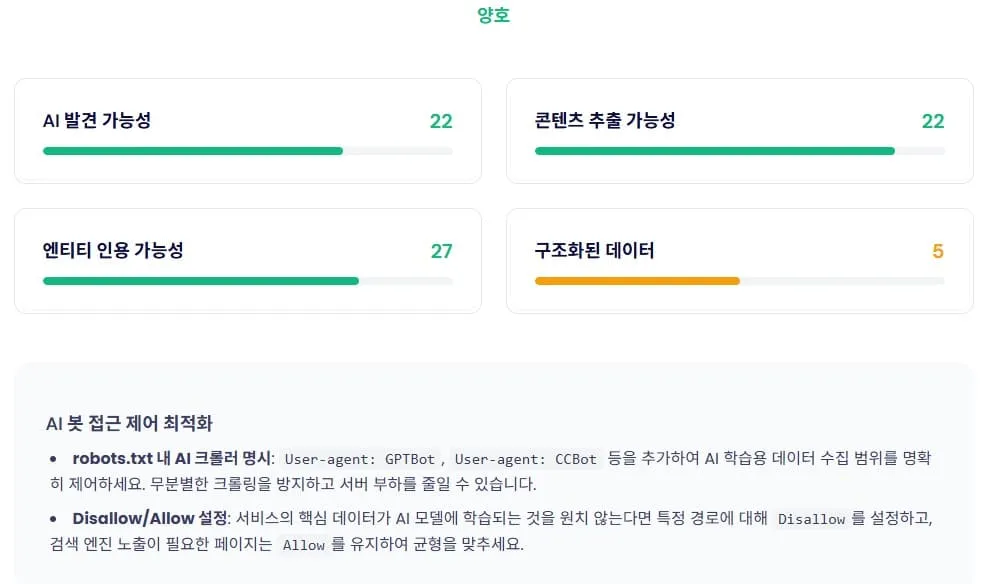
GEO (generative engine optimization): The concept of optimizing your content so that it is cited and shown in the results of generative AI search such as ChatGPT and Perplexity. What matters is providing clear, structured information that AI can draw on when generating answers.
The two approaches differ, but the goal is the same: your remote academy's site has to stand out however a prospective student searches. Given the growing use of AI search, relying on SEO alone can leave blind spots in your academy marketing.
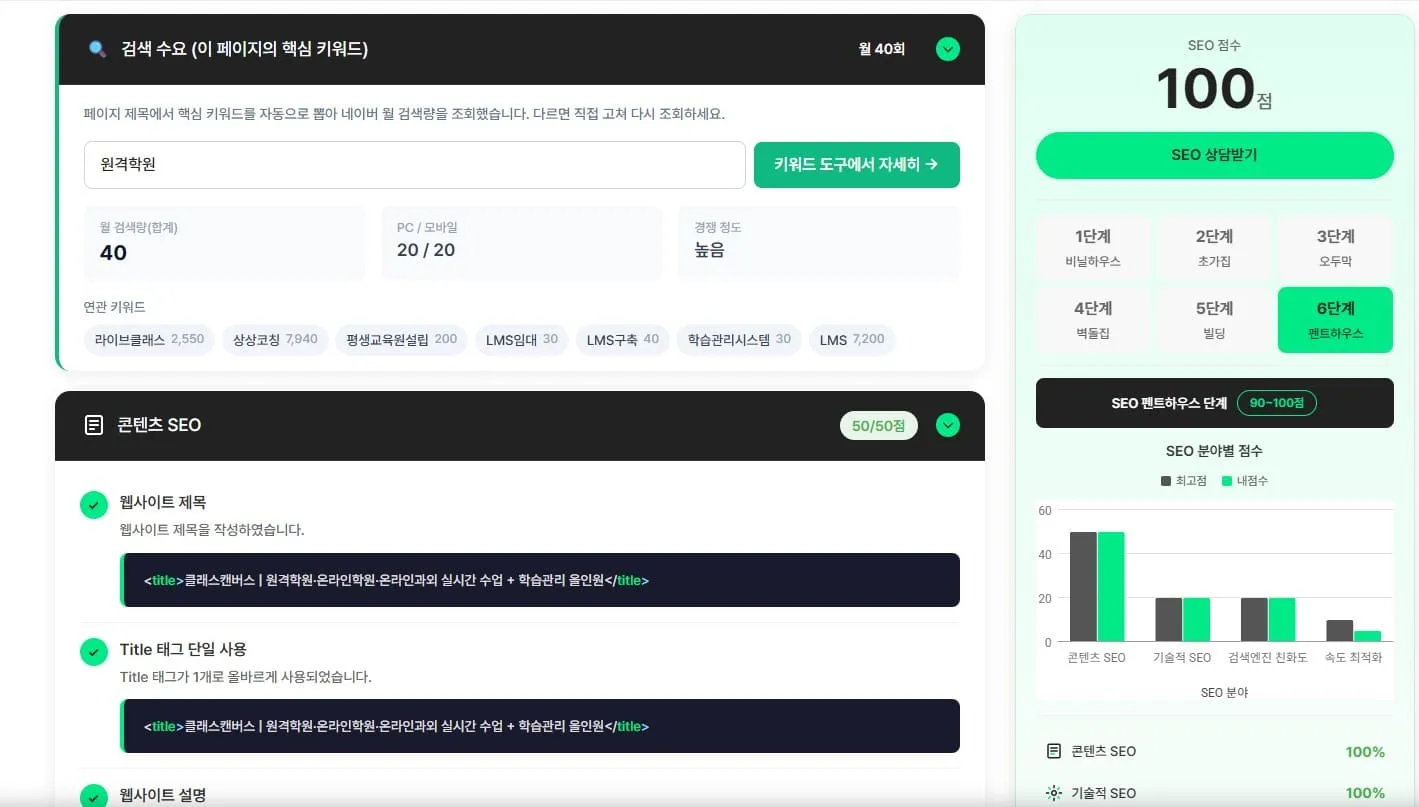
How ClassCanvas approaches it
ClassCanvas does not stop at simply building a custom-domain site for you. After the site is built, we optimize SEO and GEO together so that it translates into real visibility results.
Page structure and metadata settings suited to online academies
Content structured so that both search engines and generative AI can read it easily
Remote academy operating information (refund policy, terms of service and so on) presented in a trustworthy form
As important as preparing the setup paperwork is "how will you let people know once it is built." Academy marketing ultimately starts with how well your site can be found in search and how much trust the information on it inspires.
Conclusion
Running a remote academy is not over when the setup paperwork is done; that is when the real game begins. The practical ability to build a complaint-handling system, make your refund policy clear and manage content copyright determines your academy's credibility.
If you also have a site visibility strategy that takes SEO and GEO into account, you can achieve stable operations and new student inflow at the same time. If you are considering setting up a remote academy, we recommend looking into an approach that lets you plan everything together, from setup to post-launch visibility strategy.
Call us: 1661-9155 (Korean only)
ClassCanvas, the total solution for online remote academies