Running a remote academy: teachers and directors share similar concerns
Anyone running an online or remote academy keeps running into the same problem: the more students you have, the more there is to manage. Between making worksheets, checking each student's progress, and handling grading and feedback, teachers often find they have too little time left to prepare lessons.
On a teacher platform that manages students in a remote academy format, it is also harder to gauge each student's learning status than in in-person classes. Edtech tools keep appearing to solve this problem, and ClassCanvas is preparing several service models in line with this trend.
Edtech features ClassCanvas is preparing
ClassCanvas is developing a range of tools with the goal of helping teachers and academy operators manage students with minimal time and cost. Key features include the following.
Automatic question splitting and PDF reassembly: When a teacher uploads a PDF file, it is automatically split into individual questions, so you can pick only the questions you need and put them together into a PDF worksheet. This cuts down on the manual work of cropping and editing questions by hand.
AI step-by-step hint learning tool: Take individual study at a math remote academy as an example. When a student gets stuck on a problem uploaded by the teacher, the tool gives step-by-step hints instead of revealing the answer right away, guiding the student to solve the problem on their own. This helps fill the gap where one-on-one guidance is hard to provide at an online academy.
These features match the direction ClassCanvas aims for as a teacher platform: reducing teachers' repetitive work and helping students build the habit of thinking for themselves.
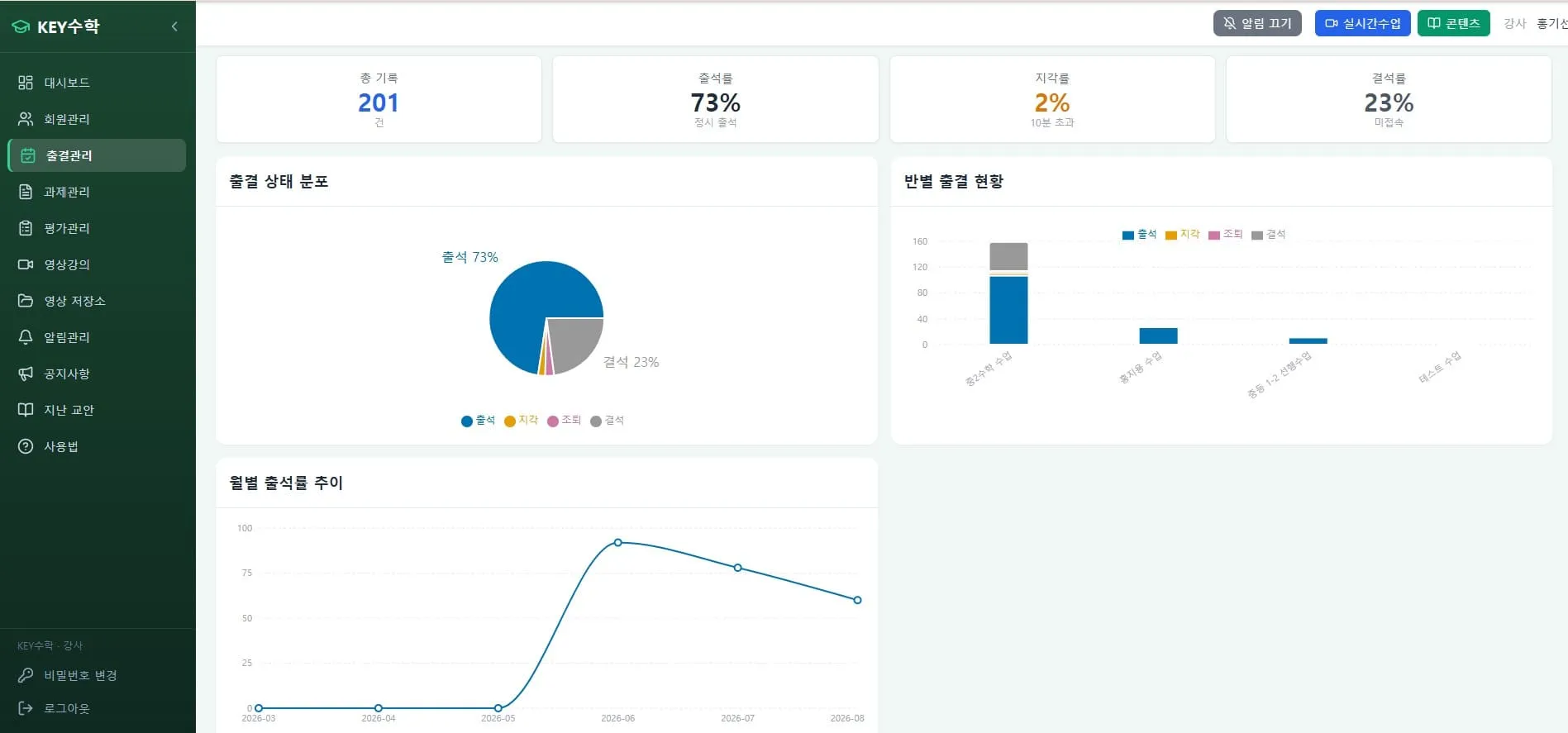
What changes when data builds up at a remote academy
In an online or remote academy environment, students' learning records naturally accumulate as data. ClassCanvas is designing a structure in which, as this data builds up, AI learning analysis can deliver more refined information to students and parents.
For example, the following kinds of information could be compiled.
Which types of problems a student repeatedly struggles with
How many hint steps the student used, and what share of problems they solved on their own
How learning speed and correct-answer rate change over time
This kind of data helps teachers understand each student better, and in parent consultations it lets you talk based on concrete evidence rather than vague impressions. However, this only becomes possible once enough data has accumulated, and ClassCanvas is putting the groundwork in place step by step.
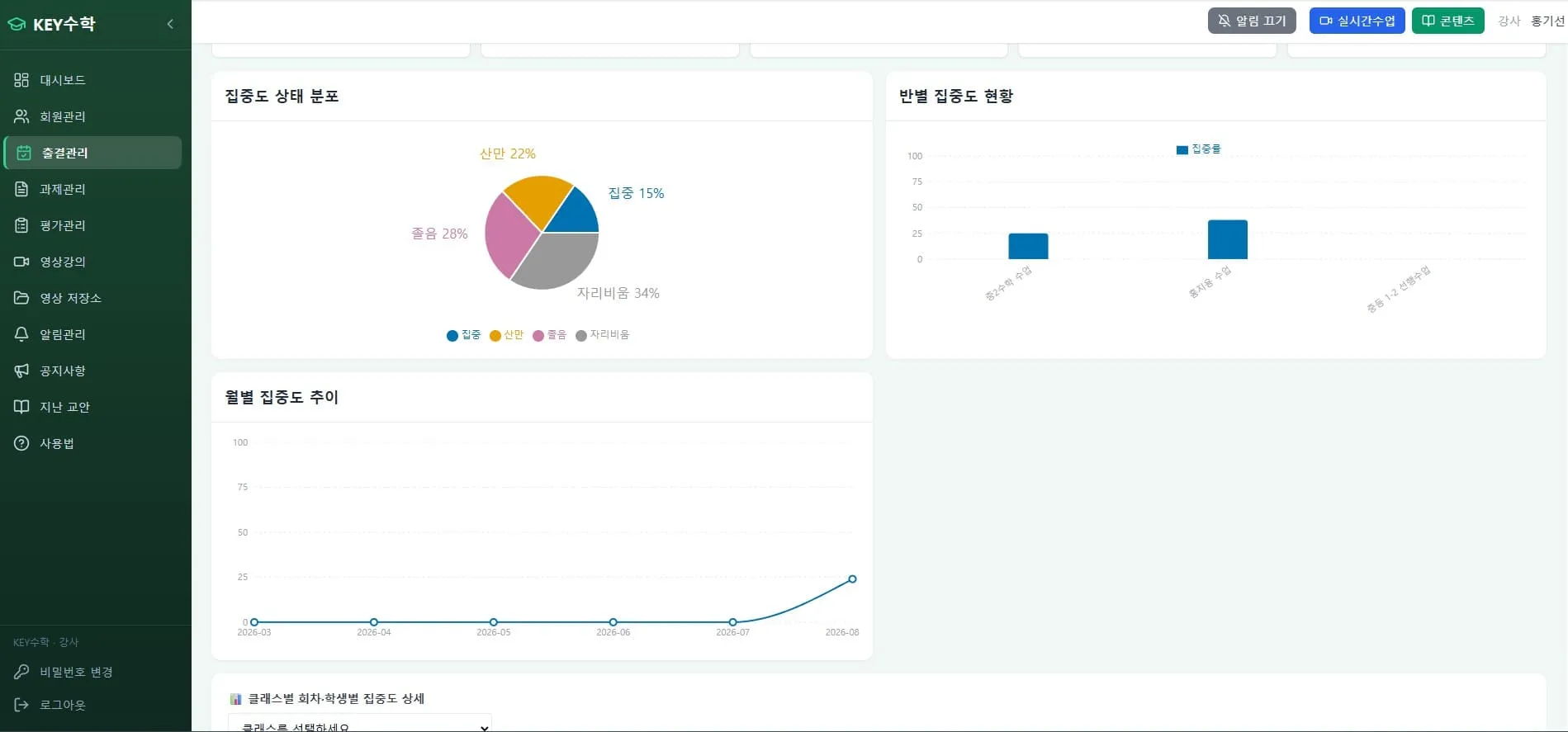
The direction ClassCanvas aims for as a teacher platform
As the remote and online academy market grows, the role of a teacher platform is going beyond simple video class tools. ClassCanvas aims to build an environment where teachers can handle content creation, student management, and learning analysis in one continuous flow.
Here are some points worth checking from an academy operator's perspective.
Is there a tool that reduces the time spent making worksheets?
Are there AI-based features that support individual student learning?
Are there plans to provide analysis reports based on learning data?
Is it a structure that is genuinely convenient for both teachers and students?
After all, edtech is just a tool, and how you use it determines how efficiently your remote academy runs. ClassCanvas continues to refine a service model that lets teachers and directors reduce their management burden and focus on teaching itself.
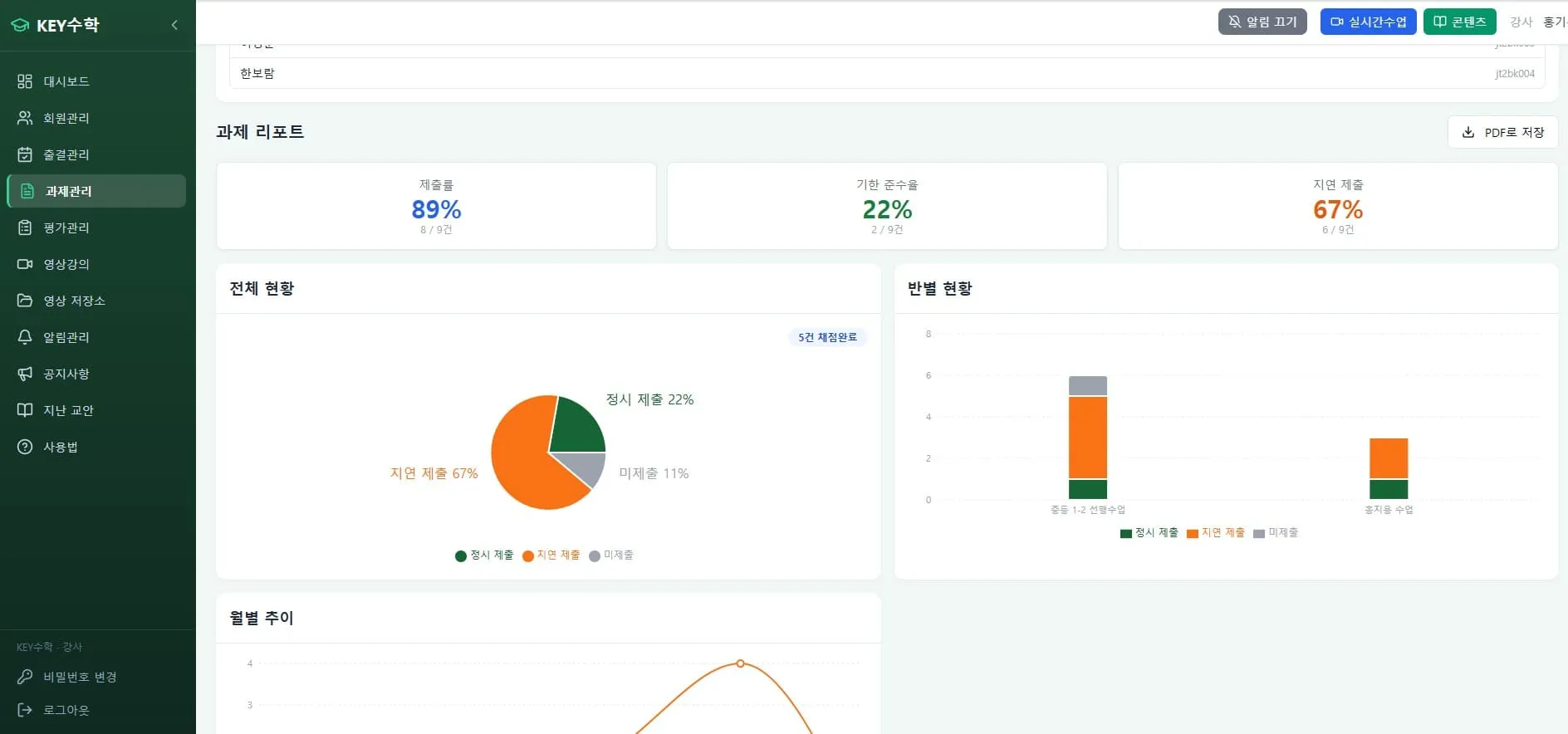
Conclusion
In running an online or remote academy, a teacher's time is the biggest resource. Edtech features that cut repetitive work, such as automatic question splitting and the AI step-by-step hint tool, create room for teachers to focus more on guiding students. Add learning analysis that will grow more refined as learning data accumulates, and the value ClassCanvas can offer as a teacher platform looks set to widen further. If you are thinking about running a remote academy, it can help to keep this trend in mind and look at tools one by one to find what suits your own academy.
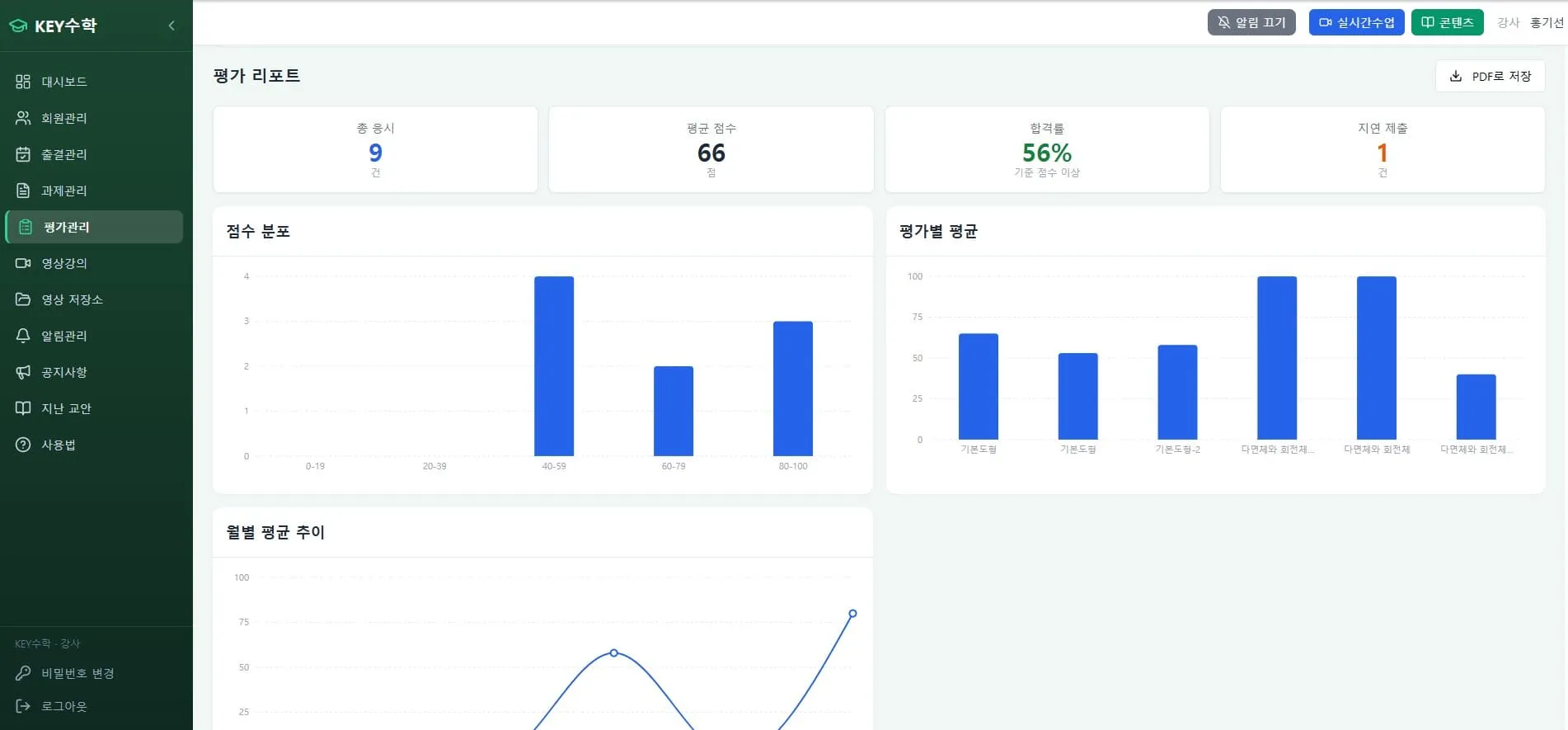
Steps to set up a remote academy
Call us: 1661-9155 (Korean only)
ClassCanvas: the total solution for online remote academies