Why is it so hard for students outside the cities to attend even one academy?
If you're an academy director or teacher, you've probably heard this at least once: "There's no academy in our area that teaches that subject." Parents in rural and island areas in particular often have to drive an hour each way just so their child can take the subject they want at the level they want. More and more people are noticing that online remote academies are quietly but steadily narrowing this gap in access to education.
Today, let's take a relaxed look at what opportunities online remote academies actually open up for students in these regions, and how academies can prepare for it.
Why online remote academies narrow the regional gap
Students in urban areas have plenty of choices. They can pick from English specialty academies, advanced math classes, and even admissions consulting. Students in rural areas and on islands, on the other hand, had little choice but to attend whatever academy was available. Once online remote academies took hold, that changed a great deal.
With no travel time at all, students can focus on the class itself
Students can take classes from skilled teachers no matter where they live
Subject-specific classes such as English video tutoring and math video tutoring are now possible too
Parents are also happier: there's less pressure to do drop-offs and pick-ups, and no need to worry about their child traveling alone late at night. For students, the biggest change is probably psychological: they feel less like they're missing out because of where they live.
Class time slots a remote academy should plan for
If you run a remote academy for students in other regions, designing your time slots matters more than you might expect. In rural and island areas, commutes are often long, so the hours before and after school run differently than in the city.
Schedule evening classes that take after-school travel time into account
In places like islands, where ferry and transport schedules are irregular, set aside weekend make-up sessions
If you also run a remote academy for adults, consider late weekday evenings or weekend mornings as well
With flexible time slots like these, it becomes much easier for students and parents to adjust their daily routines around class.
How do you manage an online academy?
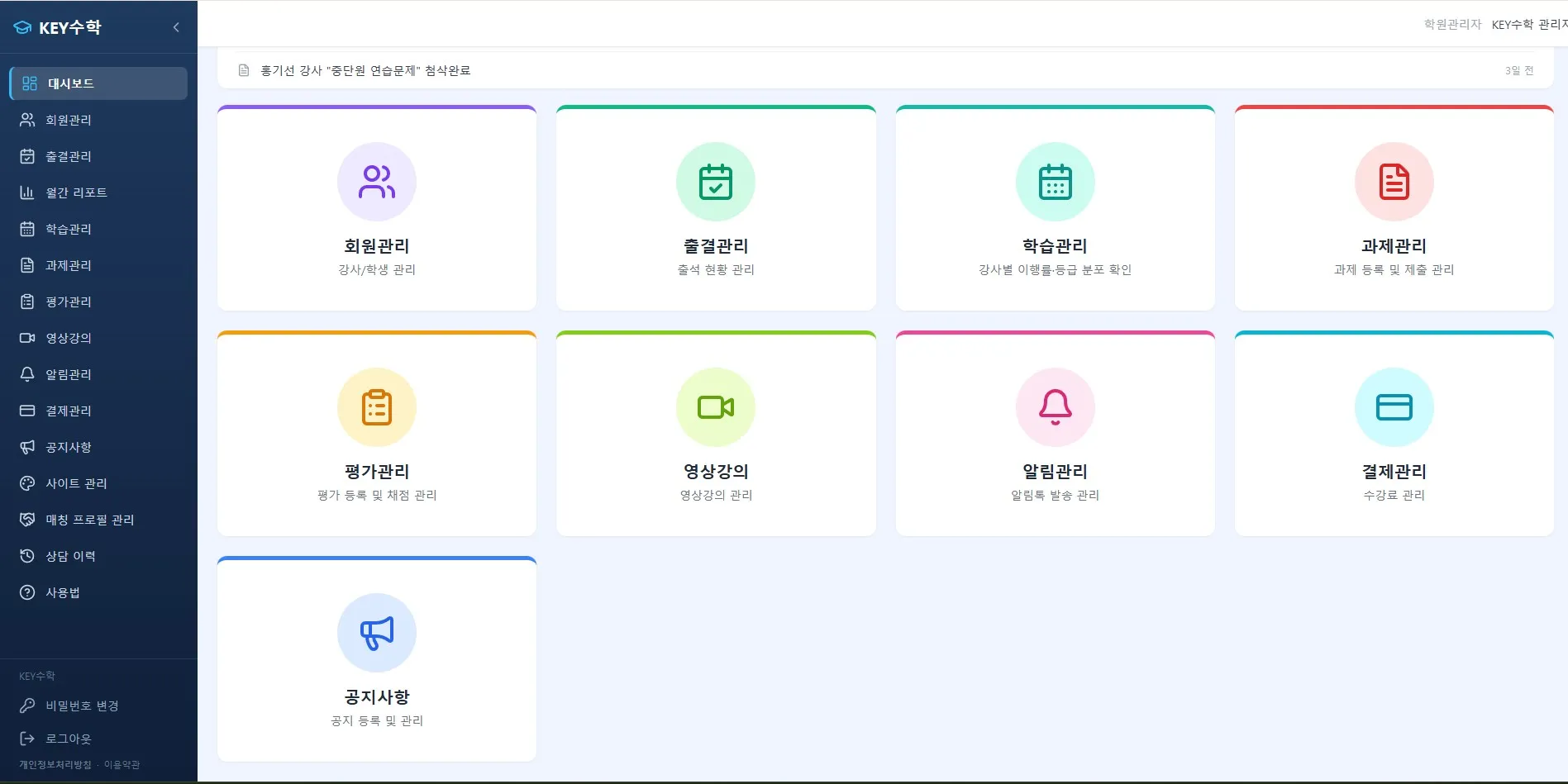
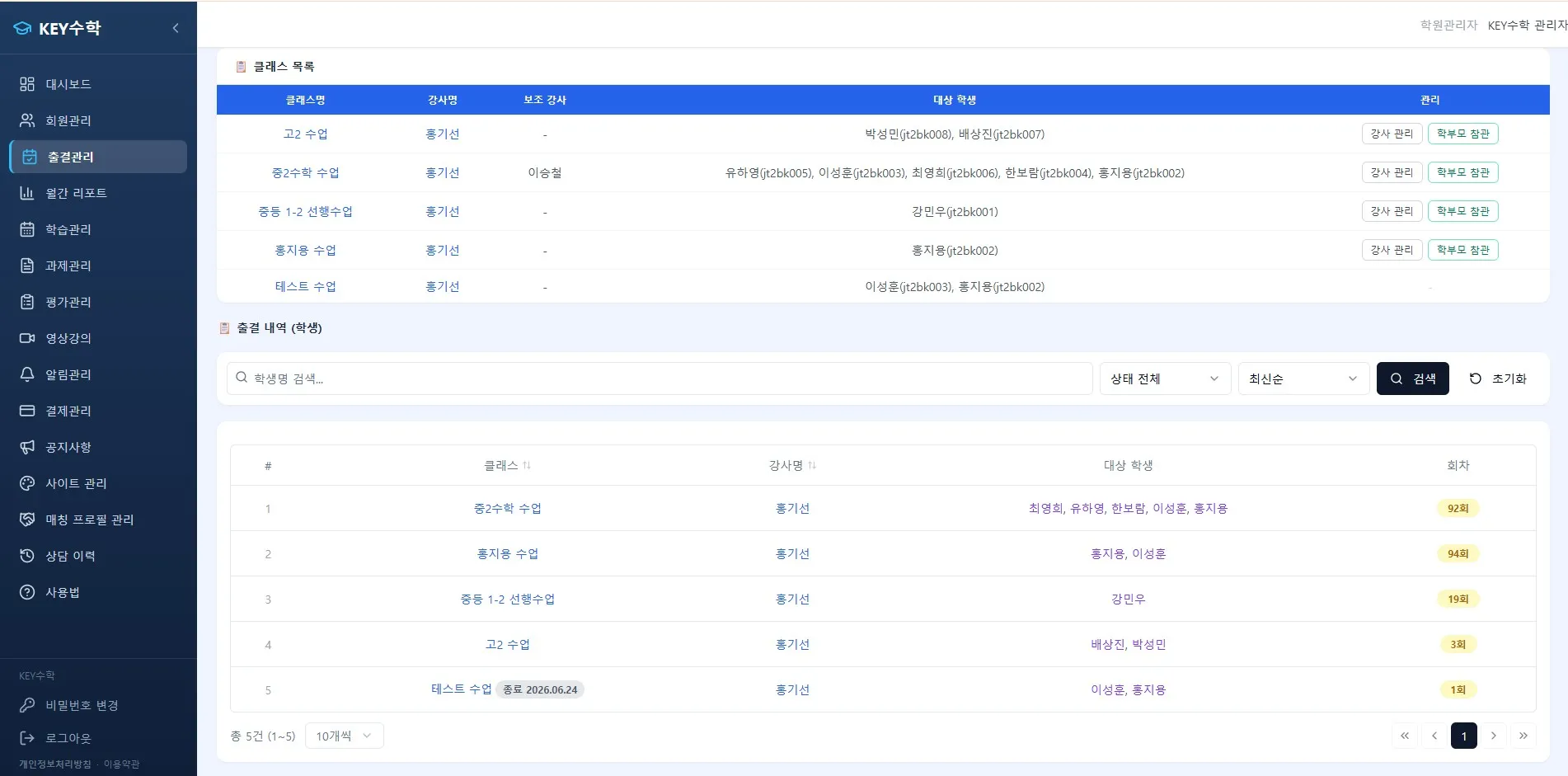
The question directors who are preparing an online academy for the first time ask most often is, "So how do I manage the students?" Of course it's a worry, since you can't see students in front of you the way you do in in-person classes. This is where setting up a solid learning management system is key.
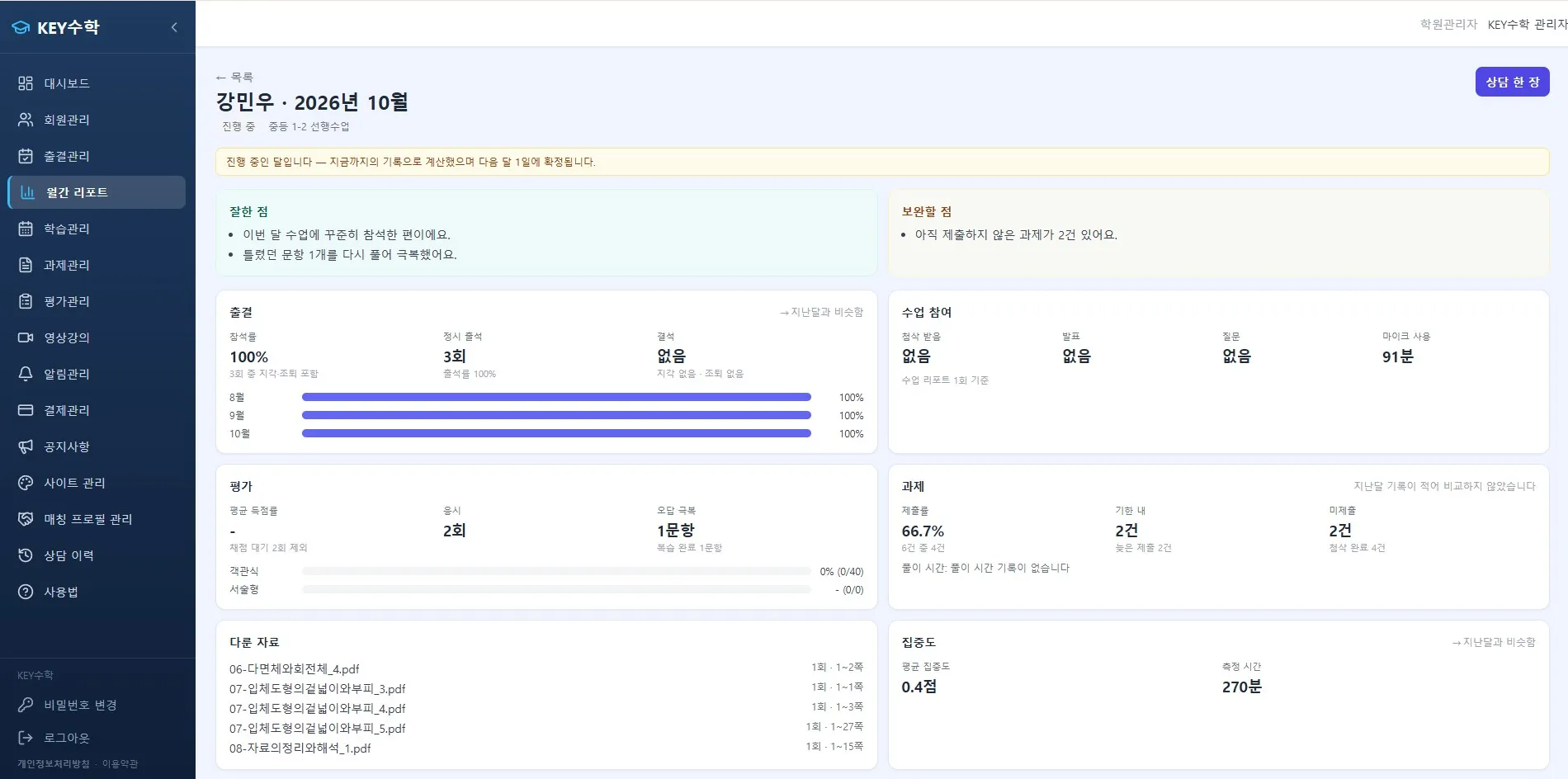
With the ClassCanvas learning management system, you can handle everything from uploading video lectures to assignment submission, tests, and attendance management in one place. You can check with data whether a student actually took part in class and did their assignments diligently, which goes a long way toward easing the worry that "I'm anxious because I can't see their faces."
In live classes, the one-board-per-student feature of the ClassCanvas live class program is especially useful. Each student writes out their solution on their own board, and the teacher can give immediate feedback through screen share and one-on-one feedback. With Individual mode, students in different regions who learn at different speeds can each follow the class at their own pace.
If you're thinking about starting an academy or an online business
More and more people are considering starting an academy that targets rural and island areas. The advantage of starting an online business is that you can recruit students nationwide without the burden of rent. There are a few things you do need to take care of, though.
Check the registration procedure and required documents for a remote tutoring academy
Prepare administrative documents in advance, such as a domain registration certificate and a server rental contract for the remote academy
When setting up an online academy, check the requirements of your local office of education
Even after setting up a remote tutoring academy, build trust through steady learning management
The administrative procedures may feel like a hassle, but once the system is in place, many parts of running the academy are actually easier than at an in-person academy.
The shift, and what it means for academies
I think online remote academies are doing more than just offering a "convenient way to take classes": they are redistributing educational opportunity itself. It's becoming natural for a student living in a rural area or on an island to take a class from a teacher in Seoul, and for a teacher in a rural area to teach students all over the country.
For academy directors, how you respond to this shift can be an important fork in the road. Rather than fearing running an online academy, I recommend building up your online remote academy system step by step and trying out learning management tools like ClassCanvas. Starting small with a subject-specific model, such as English video tutoring or math video tutoring, is perfectly fine.
Wrapping up
For students in rural and island areas, online remote academies are a welcome change that widens their choices. When travel burden shrinks, class options grow, and a management system is in place, you get a structure that satisfies both students and parents.
If you're thinking about starting an academy or an online business, joining this shift toward narrowing the regional gap could be a good direction. Taking a look at the ClassCanvas live class program together with the learning management system should help you get the big picture of running a remote academy.
How to set up a remote academy
ClassCanvas learning management
Phone inquiries 1661-9155 (Korean only)
ClassCanvas, a total solution for online remote academies